
Macro Diving in Tulamben and Seraya: A Photographer's Cheat Sheet for North Bali
Tulamben gets its reputation from the Liberty wreck. What it also deserves a reputation for is what is happening on the black sand around our dive area in the east.
A ten-kilometre stretch of coast between Kubu, Tulamben and Seraya is among the densest macro diving habitats in Indonesia. The black volcanic sand absorbs the light, which means colours pop on a camera sensor in ways they never do over white sand. The slopes are gentle. The currents are forgiving. The inhabitants of this coastline are the kind of creatures that draw underwater photographers back to Bali year after year.
What you might actually find on a single morning
Pygmy seahorses. Two species are present, Hippocampus bargibanti and Hippocampus denise. Both live on gorgonian fans. Both are smaller than your thumbnail. Both are coloured to match their host fan so closely that you will swim past one three times before your guide points it out. Once you see one, you cannot unsee them.
Harlequin shrimp. Bright white with blue and red blotches, they live in pairs and feed on starfish. A good guide will know which patch of rubble holds the resident pair this month and put you in front of them for the photo.
Ornate ghost pipefish. They drift in pairs, mimicking the seagrass or feather stars they shelter near. Spotting them requires a slow, low approach; a fast diver pushes them off station before the camera is in position.
The rest of the cast. Frogfish, ribbon eels, mimic octopus, mantis shrimp, blue-ringed octopus, and a roster of nudibranchs that changes with the season. Tulamben has logged over four hundred nudibranch species. You will not see them all on one trip; you will see enough that your camera card fills faster than you expect.
Some sites worth a specific mention
Labuan, Sidem & Seraya Secrets. The name overstates the case slightly, because every Bali macro guide knows it, but the dive itself lives up to the marketing. A black-sand slope drops gently from five to thirty metres; the ridges hold the gorgonians and the rare critters; the valleys hold the muck-loving species. Plan ninety minutes if your air allows.
Pantai Nusu & Segara. Less famous, often quieter. The local nickname is "Super Macro" because the resident species lean small, even by macro standards. Bring your strongest dioptre.
The Liberty wreck & wreck slope. Yes, the same Liberty. The hull is one of the most productive macro habitats in Tulamben once you stop trying to photograph the whole ship. Pygmy seahorses, leaf scorpionfish and shrimp species too numerous to list all live in her structure.
When to come
The dry season from May through November gives the cleanest visibility and the most settled sand. The wet season is still divable; visibility drops by a few metres, but the macro subjects do not move, and the sites are emptier.
Two pieces of advice for a first trip
First, book a dedicated macro guide for at least two of your dives. Our local guides have spent years memorising where individual animals live, and they will hand you compositions you will not find on your own.
Second, plan three dive days minimum. Day one teaches you the rhythm of the sites. Day two starts producing keepers. By day three, you understand why people return for a week of nothing else.
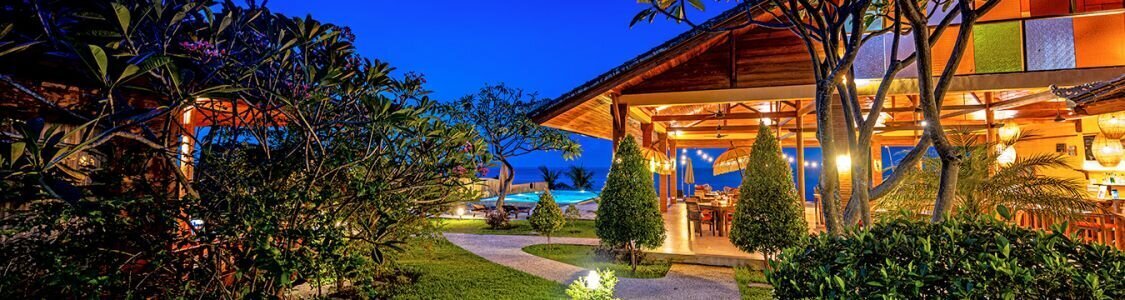
ABWonderdive Beach Resort in Kubu is well located to reach all those sites. The Drop Off Kubu and Coral Garden Kubu sites cater specifically to macro divers, with photographer-trained guides available on request.