
Diving the USAT Liberty Wreck: A 2026 Guide for Smart Divers
The USAT Liberty sits thirty metres off the black-sand beach in Tulamben, and she has been Bali's most famous dive site for the better part of two decades. The 120-metre US cargo ship was torpedoed in 1942, beached, then nudged back into the water by the 1963 eruption of Mount Agung. Today she rests between five and thirty-two metres deep, encrusted in soft coral and patrolled by jacks, parrotfish, turtles and the occasional reef shark.
If you have read any Bali dive guide, you already know the wreck is special. What most guides will not tell you is that the Liberty in 2026 is a different dive depending on what time of day you arrive.
By 9 a.m., the wreck can be crowded. Day-trippers from Sanur and Seminyak roll in around 10:30, fins kicking up the silt; some local guides now call it "diver soup". Divers who slip in at 7:15 a.m., by contrast, get the wreck almost to themselves. The parrotfish school over the bow in low light, the visibility is glassy, and the only sound is the regulators of three or four other divers who knew to come early.
This is the practical reason staying nearby in Kubu pays off. From the south, the Liberty is a two-and-a-half-hour drive each way, which means most day-trippers cannot physically be at the wreck before the sun is high. From our resort in Kubu it's around ten minutes' drive to the entry point; the early dive is our favourite by default.
Three reasons to dive her twice
Even if you have logged the Liberty before, three things make her worth a return visit:
- The night dive. Once the lights go down, flashlight fish stream out of the wreck's structure and flicker through the dark like underwater fireflies. Spanish dancers and slipper lobsters come out to feed. It is a different ship.
- Macro on the hull. Pygmy seahorses cling to fan corals at the deeper end. Harlequin shrimp tuck under outcrops. Pair the wreck dive with your camera and you can stay productive for ninety minutes without moving more than ten metres horizontally.
- The beach entry. There is no boat, no surface swim, no divemaster herding twenty people up a ladder. You walk in with your fins on, drop to seven metres, and the bow of the ship appears in front of you. For divers who hate logistics, this is rare.
Logistics worth knowing for 2026
Visibility is best from May through November, when the dry season settles the water. The site stays open year-round; January and February bring more rain and slightly reduced clarity, but conditions remain divable most days.
Standard Open Water certification works for the shallow sections of the wreck (max 20m). Advanced Open Water opens up the deeper stern at twenty-eight to thirty metres, where the larger soft corals and the resident school of fish spend most of their time.
Plan two dives on the Liberty if you can spare them. The first dive is for the wreck itself; the second is for everything you missed because you were busy looking at the wreck. Most divers report seeing more on the second pass than on the first.
The Liberty has been the most-dived site in Indonesia for years, for good reason. Plan around the crowds rather than against them, and she still earns the reputation.
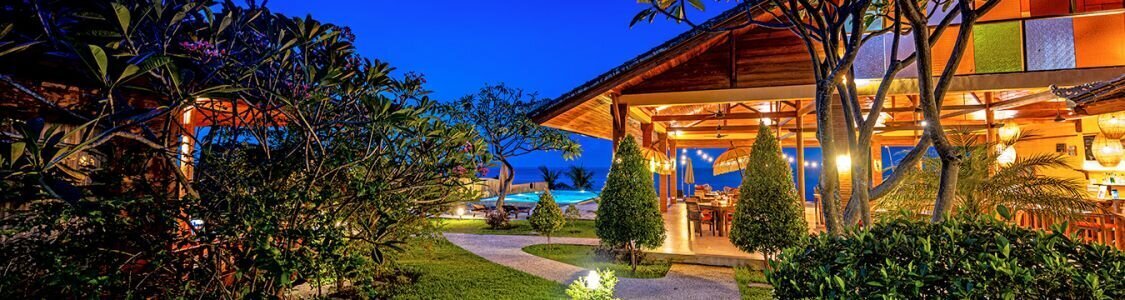
Our resort, ABWonderdive Beach Resort in Kubu, sits only ten minutes' drive north of the Liberty entry point. Our early departures put you at the wreck before the day-trippers arrive.